Nutritional Value of Northern Irish Staples
Explore the nutritional profiles of traditional local ingredients and their roles in regional eating patterns.
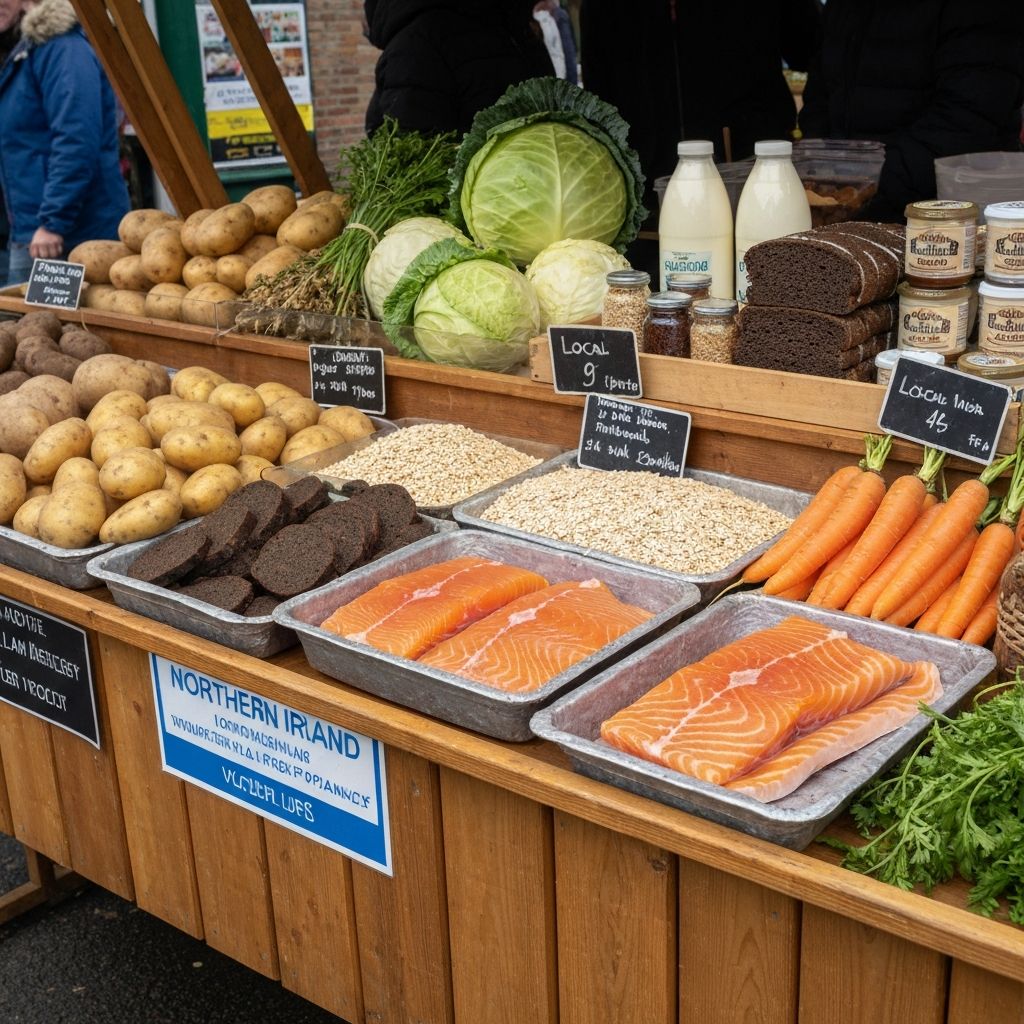
Introduction
Northern Ireland has a rich agricultural heritage and food culture built around locally available and traditionally grown ingredients. Understanding the nutritional profiles of these staple foods helps contextualize both historical eating patterns and modern food choices in the region.
Potatoes
Potatoes have been a foundational crop in Ireland and Northern Ireland for centuries. They are versatile, nutritious, and well-adapted to the region's climate.
Nutritional Profile: A medium boiled potato (with skin) contains approximately:
- 95 calories
- 2.1g protein
- 21g carbohydrates
- 0.1g fat
- 1.8g fiber
- Significant vitamin C and potassium content
Key Nutrients: Potatoes provide vitamin B6, manganese, and phosphorus. They are naturally gluten-free and contain resistant starch when cooked and cooled, a type of carbohydrate with potential prebiotic properties.
Preparation Effects: Nutritional content varies with preparation method. Boiled potatoes retain more nutrients than fried versions. The skin contains additional fiber and nutrients.
Oats
Oats have been traditionally grown and consumed in Northern Ireland and Scotland for centuries. They are a nutritious grain adaptable to cool, wet climates.
Nutritional Profile: One cup of cooked oatmeal contains approximately:
- 150 calories
- 5g protein
- 27g carbohydrates
- 3g fat
- 4g fiber
- Significant manganese, phosphorus, and iron content
Key Components: Oats contain beta-glucans, a soluble fiber that has been studied for effects on cholesterol levels and blood sugar management. They also contain antioxidants unique among grains.
Satiety Factor: The combination of protein, fiber, and beta-glucans in oats contributes to feelings of fullness, which may influence eating patterns throughout the day.
Fish and Seafood
Fish, particularly salmon from local waters, has been a traditional protein source in Northern Ireland.
Salmon Nutritional Profile: 100g of cooked salmon contains approximately:
- 206 calories
- 22g protein
- 0g carbohydrates
- 12g fat (including omega-3 fatty acids)
- Excellent source of vitamin D and selenium
Omega-3 Fatty Acids: Fatty fish like salmon are among the richest sources of EPA and DHA, long-chain omega-3 fatty acids that play roles in cardiovascular and cognitive function.
Other Local Fish: Cod, mackerel, and other locally caught fish provide similar nutritional benefits with varying omega-3 content.
Vegetables
Vegetables traditionally grown or well-suited to Northern Ireland include cabbage, carrots, onions, and leafy greens.
Cabbage: Low in calories (about 22 per 100g cooked) and high in vitamin C and K. Contains compounds called glucosinolates that are of interest in nutritional research.
Carrots: Provide beta-carotene (precursor to vitamin A), fiber, and potassium. Color indicates phytochemical content—orange carrots are rich in carotenoids.
Leafy Greens: Spinach, kale, and lettuce are nutrient-dense, providing vitamins K, A, and C, along with minerals and phytonutrients.
Micronutrient Variety: The variety of vegetables available in Northern Ireland supports diverse micronutrient intake across seasons.
Dairy Products
Dairy farming has been central to Northern Irish agriculture. Milk, cheese, and butter are traditional components of the regional diet.
Milk: Provides protein, calcium, vitamin D (if fortified), and other nutrients. Lactose content and fat composition vary by type (whole, reduced-fat, skimmed).
Cheese: More concentrated in calories and fat than milk, but also richer in calcium and protein. Varies significantly by type and aging process.
Combining Local Ingredients
Traditional Northern Irish dishes often combine these ingredients in nutritionally complementary ways—for example, potatoes with fish provide carbohydrates and protein, vegetables add micronutrients and fiber, and dairy contributes calcium and additional protein.
Contemporary Context
While traditional local foods remain available and nutritious, modern food systems provide access to diverse ingredients year-round. A balanced diet can include traditional local foods alongside other ingredients suited to individual preferences and needs.